
Everything you need to know about PRP hair treatment—cost in Mississauga, Toronto & Brampton, success rate, side effects, and real before-and-after results by month.
What Is PRP Hair Treatment?
Platelet-Rich Plasma (PRP) hair treatment is a non-surgical procedure that uses your own blood's growth factors to stimulate hair follicles and encourage regrowth. A small blood sample is drawn, spun in a centrifuge to concentrate the platelets, and then injected into the scalp in areas of thinning hair.
It's become a popular option for men and women dealing with early-stage hair thinning who want a non-surgical alternative to hair transplants.
PRP Hair Treatment Cost — Mississauga
PRP hair treatment costs in Mississauga typically depend on:
Number of sessions in your treatment plan
Severity of hair thinning being treated
Whether PRP is combined with other treatments (e.g., microneedling)
In Mississauga, a single PRP session generally ranges from $299 to $900, depending on the clinic and the specifics of your treatment plan. At Bio Beauté Med Spa, package pricing is available for multi-session plans, since most patients need 3-4 sessions spaced 4-6 weeks apart for optimal results.
PRP Hair Treatment Cost — Toronto
Toronto clinics tend to price PRP hair treatment a bit higher, with a single session typically running $550 to $950. Many Toronto residents choose to travel to our Mississauga location for the same quality of care at a more accessible price point.
PRP Hair Treatment Cost — Brampton
In Brampton, PRP hair treatment sessions generally range from $200 to $400, making it one of the more affordable options in the GTA depending on the clinic and provider experience.
How Many Sessions Will You Need?
Most patients see the best results with 3-4 initial sessions, spaced about 4-6 weeks apart, followed by maintenance sessions every 6-12 months. This is why understanding the full cost of a treatment plan, not just a single session, matters when budgeting for PRP.
PRP Hair Treatment Success Rate
Clinical research on PRP for androgenetic alopecia (the most common form of hair thinning) has consistently pointed to a success rate in the 70-80% range for patients treated at an early to moderate stage of hair loss, with noticeable improvements in hair density and thickness typically appearing between three and six months into treatment. Results are strongest when treatment starts early, before thinning becomes advanced, and when patients complete the full recommended course of sessions rather than stopping after one.
That said, PRP isn't a guarantee, and results vary based on the cause and stage of hair loss, age, and overall health. This is why a proper consultation to assess your specific situation matters more than the general statistics—what works well for early-stage thinning may be a poor fit for advanced or long-standing hair loss.
Side Effects of PRP Hair Treatment
Because PRP uses your own blood, it carries a lower risk profile than many other treatments—but like any injection-based procedure, it can still cause some mild, temporary reactions. The most commonly reported ones include
Pain, tenderness, or soreness at the injection sites, generally peaking in the first day or two before resolving on their own without interfering with daily activities.
Redness and swelling around the treated area, which typically fades within a few days.
Mild itching or a tingling/burning sensation on the scalp, caused by the needle stimulation itself.
Bruising, especially in patients more prone to it, which can take up to about a week to fully fade.
Temporary shedding in the weeks following treatment—this can feel alarming, but it's part of the hair's natural growth cycle resetting and does not mean PRP is worsening hair loss long-term.
Headache, which some patients report in the hours after treatment.
Most of these effects clear up within a few days to a week without any intervention. More serious reactions, such as infection, prolonged swelling, or fever, are rare, but patients should contact their provider right away if they notice these.
PRP may not be the right fit for everyone. Patients with bleeding disorders, those on blood-thinning medication, active scalp infections, or uncontrolled autoimmune conditions should discuss PRP carefully with a qualified provider before starting treatment.
Before and After: What Results Look Like by Month
PRP results build gradually as new hair growth cycles begin. Here's what most patients can expect:
Month 1
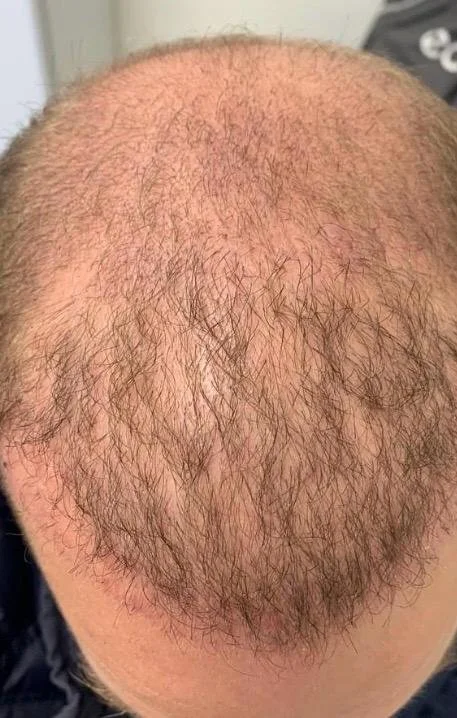
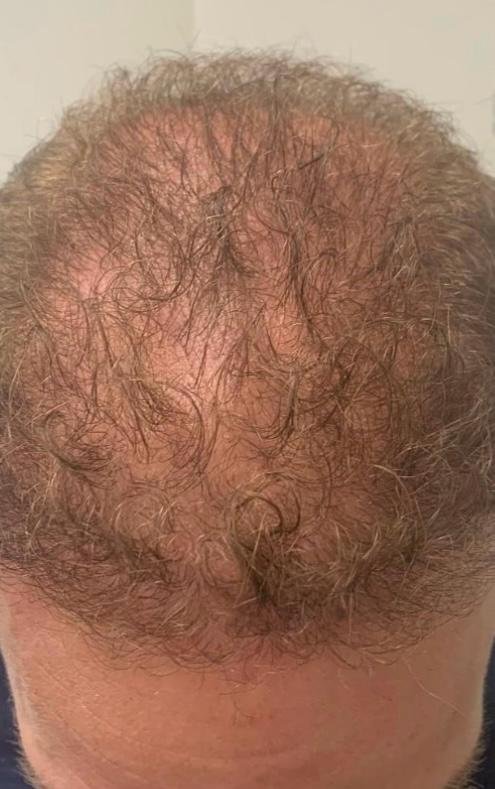
In the first month, most patients don't see dramatic visible change yet. This is when the growth factors are stimulating follicles beneath the surface.
Month 3
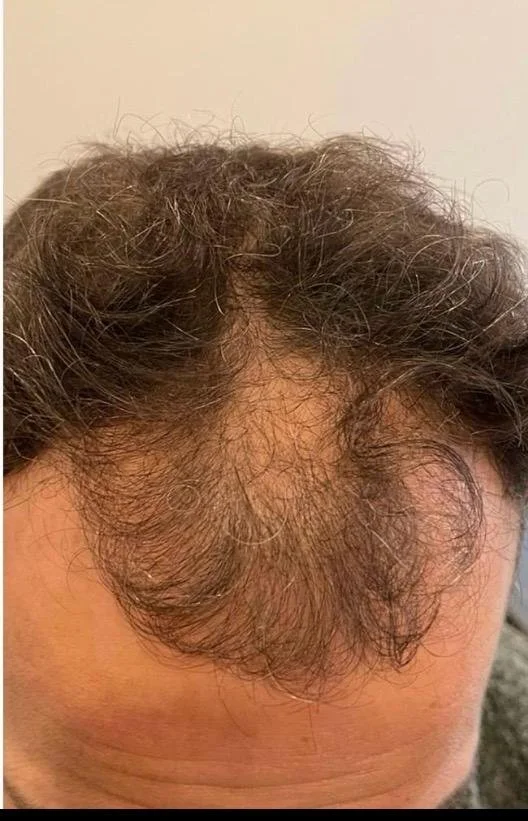
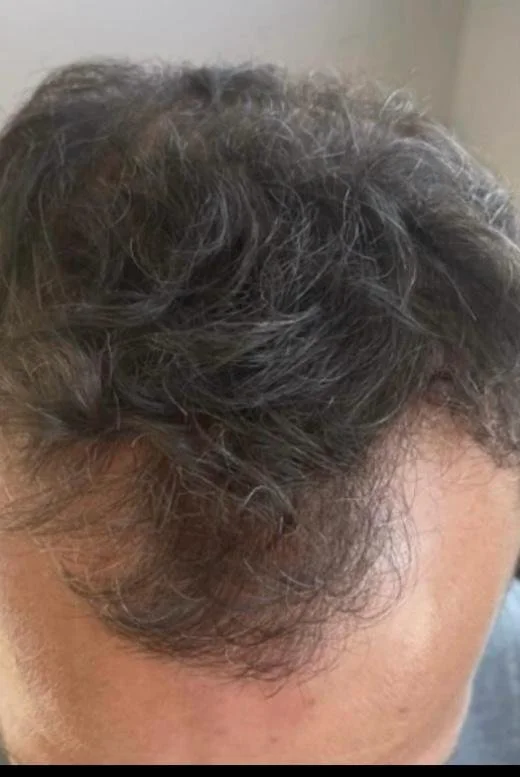
By month 3, many patients begin noticing reduced shedding and the appearance of new, finer "baby hairs" in thinning areas.
Month 6
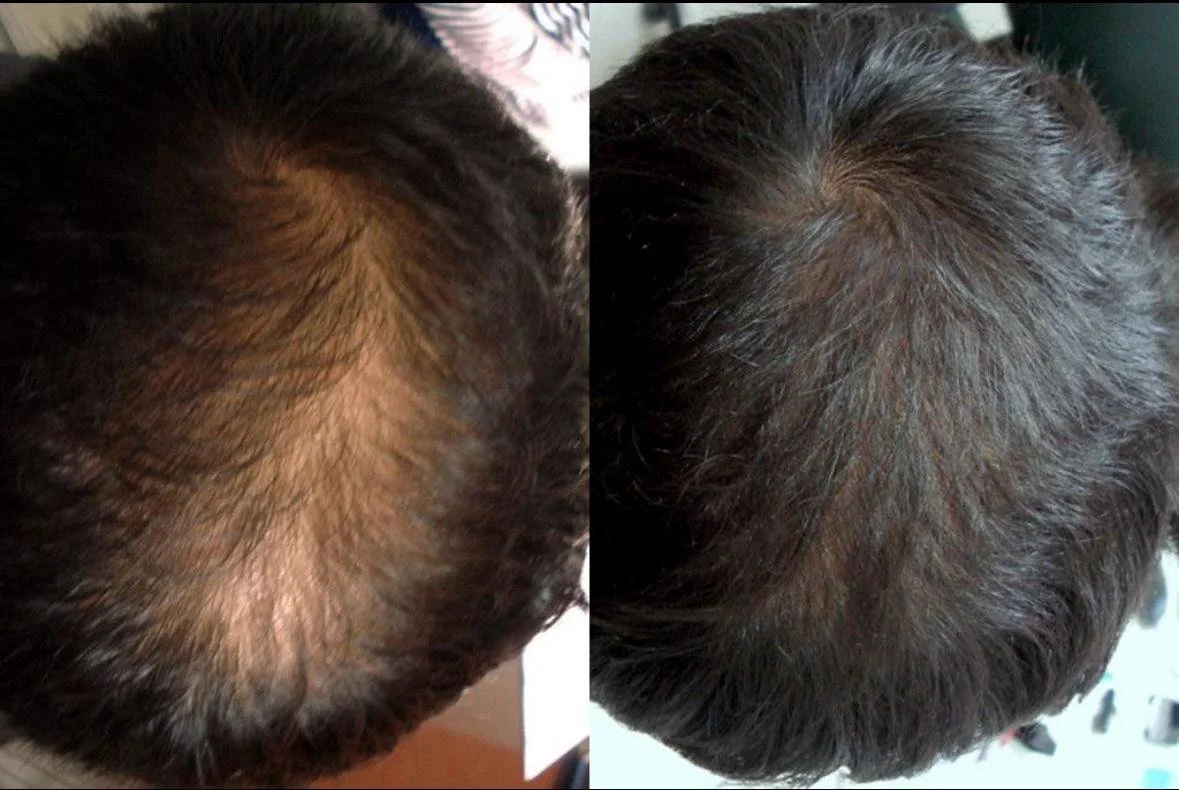
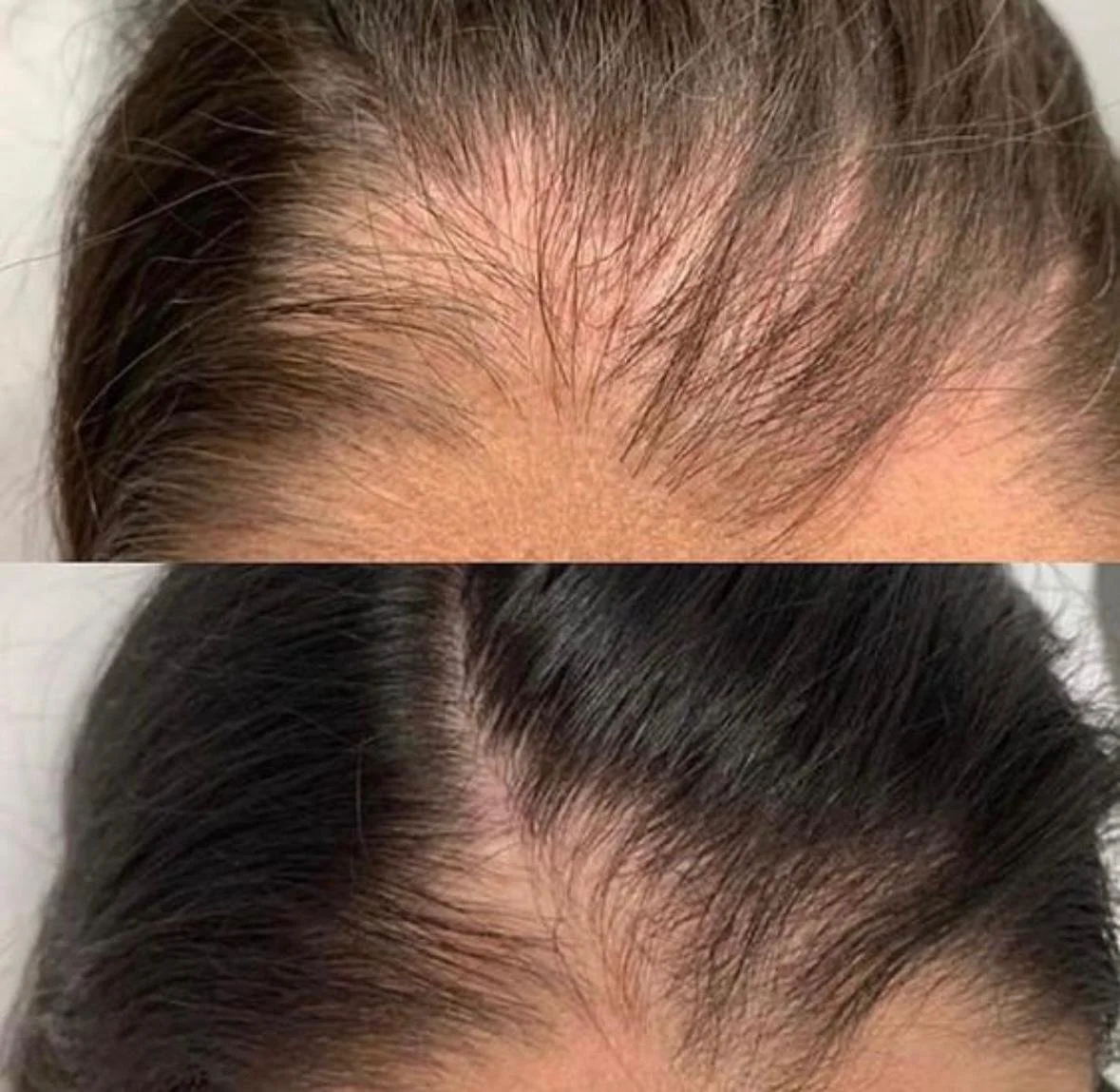
At the 6-month mark, results are typically most visible, with thicker density and improved coverage in previously thinning areas.
Is PRP Hair Treatment Right for You?
PRP hair treatment works best for early to moderate hair thinning and works less effectively on completely bald areas. The best way to know if you're a good candidate is a consultation, where we can assess your scalp and hair loss pattern.
