
Winter is the best season for microneedling in Mississauga. With less sun to avoid while your skin heals, a series started in November or December finishes in time for spring — and the collagen boost is exactly what cold, dry winter skin needs.
At Bio Beauté Med Spa in Mississauga, winter is one of the busiest times for microneedling, and for good reason. This guide explains what winter does to your skin, why the cold months are the right time for microneedling, and how to look after your skin between sessions.
What Winter Does to Your Skin
A Mississauga winter is hard on skin. Cold air outside holds very little moisture, and heated air inside dries it out further. Going back and forth between the two all day leaves many people with skin that feels tight, looks dull, and flakes around the nose, cheeks, and forehead.
Dry skin also makes everything else look worse. Fine lines show up more clearly on dehydrated skin, texture feels rougher, and makeup sits unevenly. That is why so many people feel their skin suddenly looks older in January — it is often dryness, not age, doing the damage.
The fix is not just a heavier cream. Winter skin needs moisture put back in, and it needs help rebuilding the collagen that keeps it firm and smooth. That is where microneedling comes in.
Why Winter Is the Best Time for Microneedling
Microneedling creates tiny, controlled micro-injuries in the skin that trigger your body’s natural repair process, building new collagen and elastin over the following weeks. It is commonly used for fine lines, uneven texture, enlarged pores, and acne scars. Our guide to microneedling for acne scars, pores, and fine linesexplains how a session works in detail.
Winter makes the whole process easier, for three reasons.
Less sun while your skin heals
After microneedling, your skin is more sensitive to sunlight for a few days, and sun exposure must be kept to a minimum. In summer that means careful planning around every outing. In winter, the sun is weaker, the days are shorter, and you are mostly indoors anyway — aftercare is simply easier to follow.
A full series fits before spring
For general skin rejuvenation, most clients see meaningful improvement after three sessions spaced four to six weeks apart. Start in November or December and the series is done by February or March, with results building through spring. Start in summer and you are still mid-series when the strong sun arrives.
Dry winter skin benefits the most
Microneedling improves how the skin holds moisture, not just how it looks. As collagen rebuilds, skin becomes firmer and smoother, and moisturisers absorb better. For skin that spends all winter feeling tight and papery, that change is noticeable — and it lasts well beyond the season.
A Winter Skin Care Routine That Supports Your Results
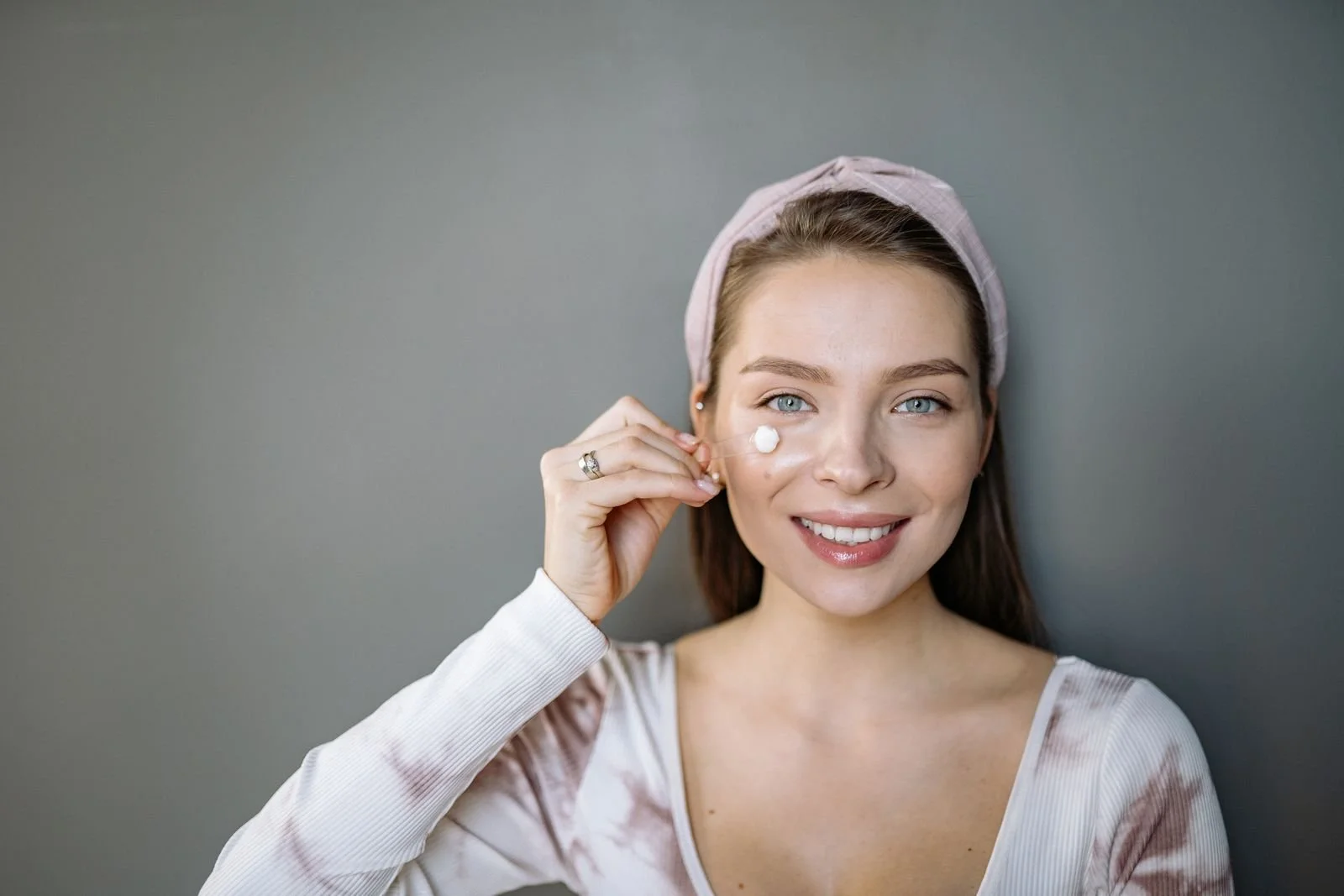
Microneedling does the rebuilding, but your daily routine decides how good the results look. In winter, keep it gentle and simple:
Cleanse gently. A creamy, non-foaming cleanser is kinder to dry winter skin than a gel or a foaming wash. Hot water strips moisture, so use lukewarm water instead.
Add a hydrating serum. A hyaluronic acid serum applied to slightly damp skin pulls moisture in. Use it morning and night, especially in the weeks after a microneedling session.
Moisturise while skin is damp. A richer cream than your summer one, applied right after cleansing or serum, seals the moisture in. Look for ceramides or squalane on the label.
Do not skip sunscreen. UV rays still reach your skin on grey winter days, and they reflect off snow. A broad-spectrum SPF 30 is still part of winter skin care, especially after microneedling.
Add moisture to the air. A humidifier in the bedroom makes a real difference when the heat is running all night.
Pause the harsh actives after treatment. Strong retinoids, exfoliating acids, and scrubs should wait until your provider says your skin has recovered — usually a few days to a week after each session.
Treatments That Pair Well With Microneedling in Winter
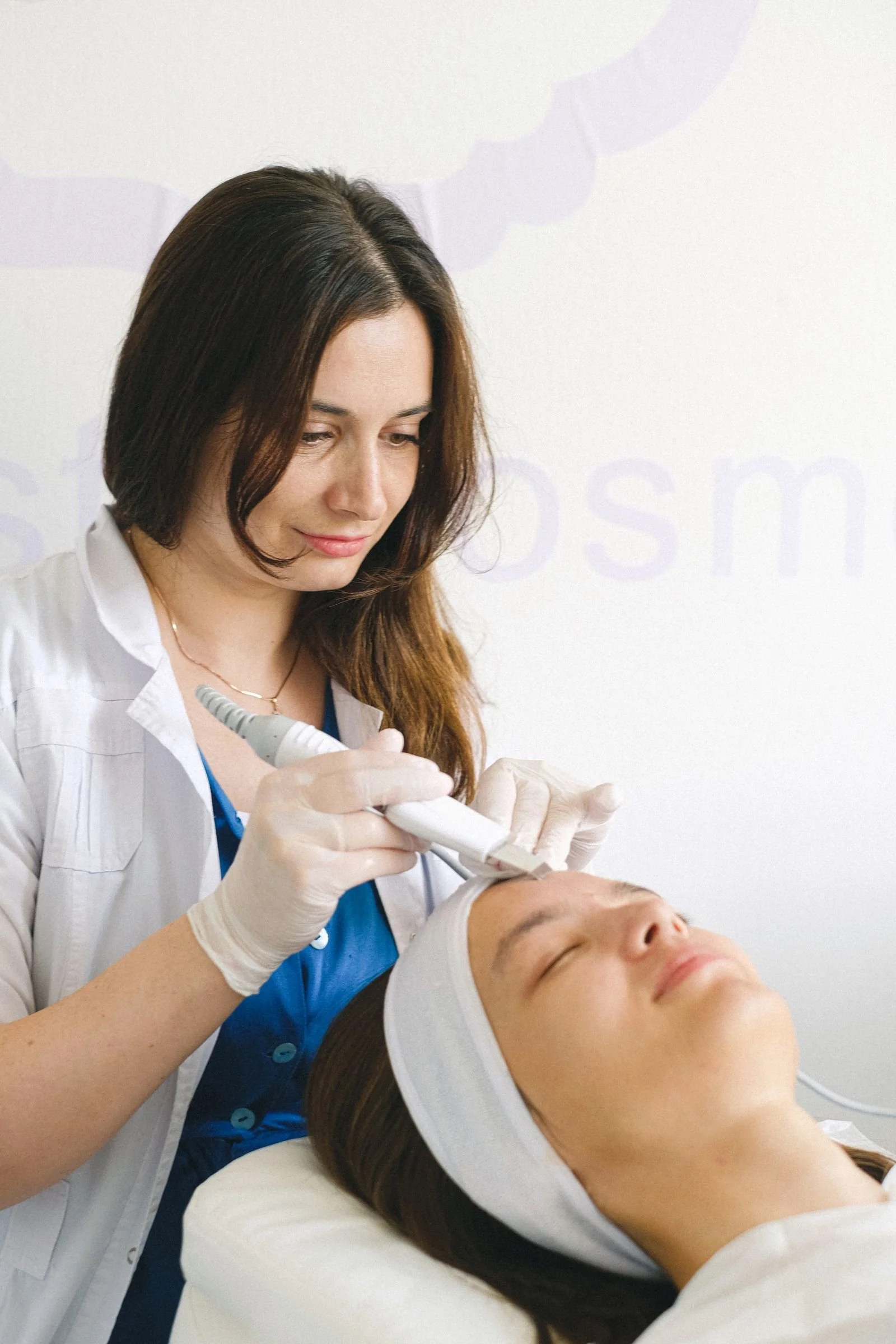
Microneedling works well on its own, but winter is also a good time to pair it with a hydrating treatment between sessions. Your provider will advise on timing, since some treatments are best spaced apart.
Medical-grade facials
A medical-grade facial focused on hydration is a natural partner for microneedling in winter. It clears away the dry, flaky surface layer, deeply hydrates, and leaves skin looking fresh between microneedling sessions.
Skin boosters
Skin boosters are micro-injections of hyaluronic acid placed just under the skin’s surface to improve hydration from within. For winter skin that feels dry no matter how much cream you use, they address the dryness at a deeper level than any moisturiser can reach.
Chemical peels
A gentle chemical peel can help with the rough texture and uneven tone that winter leaves behind. Like microneedling, peels are easier to recover from in the low-sun months, which is another reason winter is treatment season.
What to Expect After a Winter Microneedling Session
A session takes about 45 to 60 minutes, including numbing time. Most clients describe the feeling as mild pressure or light scratching rather than pain.
Day 1–2: Skin looks and feels like a mild sunburn — redness and slight sensitivity are normal. Keep it moisturised and skip makeup if you can.
Day 3–4: Redness fades, and skin may feel slightly dry or tight. This is the stage where a good moisturiser and a humidifier help the most.
Day 5–7: Most visible redness is gone, and skin often has a noticeable glow.
Full collagen rebuilding continues for several weeks, so results build gradually rather than appearing overnight. Your provider will give you aftercare guidance before you leave, including when to restart your usual products.
Frequently Asked Questions
Is winter really a better time for microneedling than summer?
For most people, yes. The treatment itself works the same in any season, but winter makes aftercare easier because there is less sun to avoid while the skin heals, and a series started in late fall finishes before spring.
How many microneedling sessions do I need before spring?
For general rejuvenation, three sessions spaced four to six weeks apart is typical. Starting in November or December means the series is complete by February or March. Deeper concerns like acne scarring may need four to six sessions.
Can I wear makeup after microneedling?
It is best to wait at least 24 hours before applying makeup, to let the micro-channels close. Your provider will confirm the timing for your skin.
Does microneedling help dry winter skin?
Yes — as collagen rebuilds, the skin holds moisture better and feels less tight and dry. It works best alongside a good winter routine: a hydrating serum, a rich moisturiser, and sunscreen every day.
Can I get a facial between microneedling sessions?
Often, yes — a hydrating medical-grade facial between sessions is a common pairing. Your provider will advise on the right gap between treatments so your skin has time to recover.
Book a Consultation at Bio Beauté Med Spa
If you are in Mississauga, Oakville, Brampton, or elsewhere in the GTA and winter has left your skin dry, dull, or lined, now is the right time to start. Book a consultationat Bio Beauté Med Spa and we will build a winter plan that suits your skin and your goals.
